Downsizing doesn’t mean sacrificing comfort. A small two bedroom house offers everything you need in a compact footprint. These homes are gaining popularity because they cost less and require minimal maintenance. Families, couples, and remote workers choose them for financial freedom and simpler lifestyles.
Modern designs prove that small spaces work well. Compact two bedroom homes use smart layouts and multi-functional furniture. You get privacy, storage, and living areas without wasting space. Affordability and lifestyle flexibility make these homes attractive to many people today.
What Makes a Two Bedroom Tiny Home Functional?
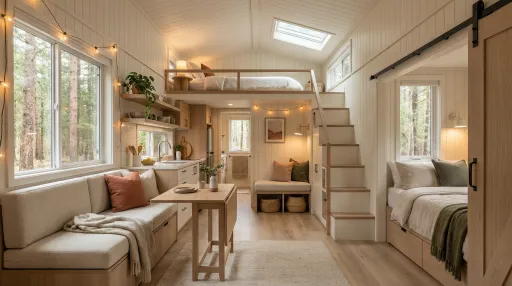
Functionality comes from intentional design choices. Every square foot serves a purpose in these homes. Builders focus on creating flow between rooms while maintaining privacy. The key is balancing openness with separate sleeping areas.
Smart planning eliminates hallways and unused corners. Doors often slide instead of swing to save space. Windows are placed strategically to make rooms feel larger. Natural light becomes a design tool rather than just a feature.
Quality matters more than quantity in tiny house with two bedrooms. Choose durable materials that last longer. Invest in fixtures that serve multiple purposes. This approach creates homes that feel complete despite their size.
Smart Space Planning Concepts
Effective planning starts with understanding daily routines. Designers map out how people move through spaces. They identify which activities happen where and when. This information shapes room placement and size allocation.
Zoning separates public and private areas naturally. Living spaces stay near the entrance while bedrooms move to quieter zones. Bathrooms often sit between bedrooms for shared access. This layout maximizes privacy without adding unnecessary walls.
Bedroom Placement and Privacy
Bedrooms typically occupy opposite ends of the home. This arrangement gives each room acoustic separation. One bedroom might sit in a loft while another stays on the main floor. Creative positioning maintains privacy in limited square footage.
Pocket doors and curtains offer flexible privacy solutions. These options take up less space than traditional doors. Sound insulation in walls helps create peaceful sleeping areas. Even small homes can feel private with proper design.
Storage Solutions in Small Homes
Built-in storage eliminates the need for bulky furniture. Stairs often contain drawers for clothing and supplies. Under-bed platforms provide additional storage space. Wall-mounted shelves keep floors clear and rooms feeling open.
Vertical storage maximizes every wall surface. Cabinets reach to the ceiling in kitchens and closets. Hooks and racks hold items that would otherwise clutter surfaces. Smart organization systems make small spaces functional and tidy.
How Are 2 Bedroom Tiny Homes Designed for Daily Living?
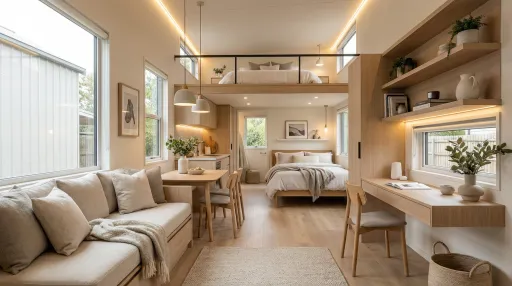
Daily living requires practical layouts that adapt to different needs. Small space home design focuses on flexibility and efficiency. Rooms serve multiple purposes throughout the day. Morning routines, work hours, and evening relaxation all happen in shared spaces.
Open concepts connect living, dining, and kitchen areas. This approach makes homes feel larger than their actual size. Furniture on wheels can move to create different configurations. Adaptability becomes essential in compact environments.
Quality appliances and fixtures improve daily experiences. Modern tiny home floor plans include full-size amenities when possible. Cooking, cleaning, and personal care don’t require compromise. The goal is normal living in a smaller footprint.
Open Layout and Multi-Use Areas
Open layouts eliminate walls between main living spaces. The kitchen flows into the dining and living areas naturally. This design creates sightlines that make spaces feel expansive. Fewer walls also mean better air circulation and light distribution.
Multi-use areas serve different functions throughout the day. A dining table becomes a workspace during office hours. Living rooms transform into entertainment centers at night. Flexible spaces adapt to changing needs without requiring extra rooms.
Kitchen and Bathroom Optimization
Compact kitchens include full-size refrigerators and stoves when possible. Counter space extends over appliances using cutting boards or covers. Cabinets use every inch from floor to ceiling. Smart appliances like combination microwave-convection ovens save space.
Bathrooms combine style with function in tight quarters. Corner showers and wall-mounted toilets maximize floor space. Vanities include storage below and medicine cabinets above. Proper ventilation prevents moisture issues in small spaces.
Space-Saving Design Features
Minimalist home living relies on furniture and features that serve multiple roles. These elements make daily life comfortable without cluttering spaces.
- Foldable furniture solutions: Murphy beds fold into walls during the day. Collapsible tables expand for meals and fold away after. Stackable chairs store easily when not needed.
- Built-in storage options: Window seats open to reveal storage compartments. Staircases double as drawer systems. Custom cabinetry fits awkward spaces perfectly.
- Vertical space utilization: Loft areas add sleeping or storage space above main rooms. Wall-mounted desks fold down for work time. Ceiling-height shelving keeps items accessible but out of the way.
Functional small homes incorporate these features seamlessly into their design. The result feels intentional rather than cramped.
Who Should Consider Living in a Two Bedroom Tiny Home?
These homes suit people prioritizing affordability and simplicity. Young families starting out benefit from lower costs. Couples downsizing after children leave find them practical. Remote workers appreciate dedicated bedroom-office spaces without large mortgages.
Lifestyle matters more than household size when choosing tiny living. People who value experiences over possessions adapt easily. Those comfortable with minimalism enjoy the reduced maintenance. Space-saving home layouts appeal to environmentally conscious individuals.
Financial goals often drive the decision to go small. Lower purchase prices and utility costs free up income for other priorities. Less space means less to clean and maintain. Time and money savings create opportunities for travel, hobbies, or savings.
Small Families and Couples
Couples find two bedrooms to provide perfect separation of space. One bedroom serves for sleeping while the other becomes an office or guest room. Small families with one child have enough room without excess. Each person gets personal space within the compact footprint.
These homes work well for transitional life stages. Newlyweds save money while building financial stability. Empty nesters reduce housing costs in retirement. Affordable small homes adapt to changing family needs over time.
Remote Workers and Minimalists
Remote work requires dedicated space that separates from living areas. A second bedroom provides a proper home office. This separation improves work-life balance in small spaces. Video calls look professional from a dedicated room.
Minimalists appreciate the forced simplicity of limited space. Fewer possessions mean more intentional choices about what to keep. Modern tiny house design aligns with minimalist values naturally. Quality over quantity becomes a lifestyle practice.
Lifestyle and Ownership Comparison
Different living situations benefit from two-bedroom tiny homes in unique ways. Understanding these differences helps determine fit.
| Lifestyle Type | Main Benefit | Space Use | Living Fit |
| Small Families | Affordability | Efficient bedrooms | High comfort |
| Couples | Privacy balance | Work-life separation | Excellent fit |
| Remote Workers | Dedicated office | Professional space | Ideal setup |
| Minimalists | Simplified living | Intentional design | Perfect match |
Each lifestyle finds value in compact living for different reasons. The common thread is intentional space use.
Are 2 Bedroom Tiny Homes Worth Investing In?
These homes offer strong financial returns for the right buyers. Lower purchase prices reduce mortgage stress significantly. Utility costs drop with less space to heat and cool. Maintenance expenses stay minimal compared to traditional homes.
Long-term value depends on location and build quality. Well-built tiny homes maintain value in desirable areas. Mobile options offer flexibility that traditional real estate can’t match. The investment makes sense for people committed to downsized living.
Market demand continues growing as housing costs rise. More buyers seek affordable alternatives to expensive traditional homes. This trend suggests stable resale potential for quality tiny homes. The compact housing market shows no signs of slowing.
Cost Efficiency and Affordability
Purchase prices typically range from $50,000 to $150,000 depending on customization. This represents significant savings compared to average home prices. Lower property taxes and insurance costs add to monthly savings. Reduced utility bills leave more money for other financial goals.
Building costs per square foot run higher than traditional construction. However, total project costs stay lower due to size. Many buyers pay cash and avoid mortgage interest entirely. Financial freedom comes faster with smaller housing investments.
Long-Term Living Comfort
Comfort depends on embracing the lifestyle fully. People who downsize possessions first adjust easier. Those fighting against space limitations feel frustrated. Mental preparation matters as much as physical design.
Quality construction ensures lasting comfort over years. Proper insulation maintains temperature control efficiently. Durable materials withstand daily use in tight quarters. Well-designed homes feel comfortable indefinitely when built right.
Resale Value and Market Demand
Resale markets vary by location and zoning laws. Areas embracing tiny homes see better resale potential. Mobile units offer more flexibility in changing markets. Permanent foundations in tiny-home-friendly communities hold value well.
Buyer interest continues growing among younger generations. Sustainability concerns drive demand for smaller footprints. Economic uncertainty makes affordable housing more attractive. These factors support stable or growing resale values.
Conclusion — Should You Choose a Two Bedroom Tiny Home?
A small two bedroom house works perfectly for people ready to embrace compact living. Financial benefits combine with lifestyle simplicity to create appealing advantages. The right design provides everything needed without excess waste.
Consider your lifestyle priorities before deciding. If affordability, simplicity, and sustainability matter most, these homes deliver. Visit existing tiny homes to experience the space firsthand. Personal comfort with compact living ultimately determines success.
Frequently Asked Questions:
Are two bedroom tiny homes good for families?
Yes, they work well for small families with one or two children who prioritize affordability and minimal living.
How much space do two bedroom tiny homes have?
Most range from 400 to 800 square feet depending on design and layout choices.
Do tiny homes feel cramped?
Not with proper design—open layouts, natural light, and smart storage prevent cramped feelings.
Can two people work from home in a tiny house?
Yes, the second bedroom serves as a dedicated office space for remote work.
Are tiny homes cheaper than apartments?
Often yes, especially considering no rent payments and lower utility costs over time.
Do tiny homes have storage options?
Absolutely—built-in storage, vertical shelving, and multi-functional furniture provide ample space.
Are tiny homes legal everywhere?
No, zoning laws vary by location so check local regulations before purchasing or building.