Understanding remodel vs renovation helps you plan the right home improvement project for your needs and budget. A remodel changes the structure or layout of a space. A renovation updates or restores existing features without changing the basic structure.
Many homeowners use these terms interchangeably, but the difference affects your budget, timeline, and permits. Knowing which project type you need helps you hire the right contractor. It also prevents surprise costs and delays during your house improvement projects.
What Does Remodeling Mean in Home Improvement?
Home remodeling transforms a space by changing its structure, layout, or purpose. This means removing walls, adding rooms, or completely redesigning how a space functions. Remodeling creates something new from what existed before.
These projects involve significant construction work. Contractors often need to update electrical, plumbing, and HVAC systems. The changes affect the home’s floor plan and how people move through the space.
Remodeling projects take longer and cost more than renovations. They require detailed planning and often need professional architects or designers. The investment typically adds substantial value to your property.
Structural Changes and Layout Updates
Structural home changes include removing load-bearing walls or adding new rooms. These modifications require engineering assessments to ensure safety. Contractors must install proper support beams when walls are removed.
Layout updates reconfigure how rooms connect and function. Opening a kitchen to the living room creates an open floor plan. Converting a bedroom into a master suite with an attached bathroom changes the home’s functionality entirely.
Examples of Common Remodeling Projects
Kitchen remodeling often involves moving appliances, cabinets, and plumbing fixtures. You might relocate the sink to an island or expand the kitchen into an adjacent room. These changes require new electrical circuits and plumbing lines.
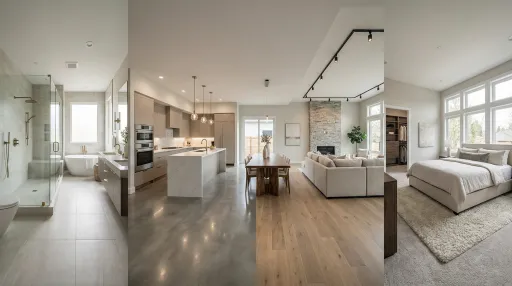
Bathroom remodeling can transform a small bathroom into a spa-like retreat. This might include moving the toilet, expanding the shower, or adding a soaking tub. Basement conversions turn unused storage into living spaces with bedrooms and bathrooms.
When Remodeling Is the Right Choice
Choose remodeling when your home’s layout doesn’t meet your needs. If your kitchen feels cramped or isolated from living areas, remodeling solves the problem. Remodeling makes sense when you plan to stay in your home long-term.
Older homes with outdated layouts benefit most from remodeling. Opening up closed-off spaces makes homes feel modern and spacious. The investment pays off through improved daily living and higher resale value.
What Does Renovation Mean for a House?
Home renovation updates and improves existing spaces without changing their basic structure. This includes replacing old materials, updating finishes, and refreshing the appearance. Renovations restore spaces to better condition or update their style.
These projects focus on surfaces and fixtures rather than walls and layouts. You keep the same floor plan but make everything look and function better. Kitchen and bathroom upgrades often fall into this category when you’re not moving major elements.
Renovation work costs less and completes faster than remodeling. Most projects don’t require structural permits. Homeowners can often complete simple renovations themselves with basic skills.
Cosmetic and Surface-Level Improvements
Cosmetic home upgrades include painting, new flooring, and updated fixtures. These changes dramatically improve appearance without touching walls or systems. Replacing countertops, cabinet doors, and hardware refreshes a kitchen affordably.
New lighting fixtures, faucets, and tile transform bathrooms. Fresh paint and modern trim make rooms feel updated. These surface changes give spaces a new look without construction complexity.
Typical Renovation Project Examples
Kitchen renovations replace appliances, countertops, and cabinet fronts while keeping the same layout. You might install new backsplash tile and upgrade to energy-efficient appliances. The sink, stove, and refrigerator stay in their current locations.
Bathroom renovations update vanities, toilets, and shower surrounds. New tile, paint, and fixtures create a fresh look. Window replacements, new siding, and roof repairs are also renovation projects.
Renovation Benefits
Choosing renovation offers several advantages for homeowners working with limited budgets or tight timelines.
- Faster project completion: Most renovations finish in days or weeks rather than months
- Lower overall costs: Projects cost 30-50% less than comparable remodeling work
- Less structural risk: No concerns about load-bearing walls or major system changes
Renovations also cause less disruption to daily life. You can often stay in your home during the work. The lower cost makes renovations accessible for homeowners on tight budgets.
How Do Remodeling and Renovation Compare in Cost and Value?
Understanding home improvement costs helps you budget appropriately for your project. Remodeling typically costs $100-$250 per square foot depending on complexity. Renovation projects usually run $50-$100 per square foot for similar spaces.
The value you get depends on your goals and how long you’ll stay in the home. Both project types can increase property value significantly. Remodeling often provides better returns in homes where layout issues limit functionality.
Your local real estate market affects which projects add the most value. Kitchen and bathroom upgrades consistently provide strong returns. The key is matching your investment to your home’s value and neighborhood standards.
Budget Differences Between Projects
Remodeling projects need bigger budgets for structural work, permits, and professional fees. A full kitchen remodel might cost $40,000-$75,000 or more. The same kitchen renovated with new surfaces and appliances costs $15,000-$30,000.
Unexpected costs occur more often in remodeling when contractors open walls. Hidden problems like old wiring or plumbing require fixes. Renovation budgets are more predictable since you’re not changing underlying systems.
Time and Permit Requirements
Remodeling projects require building permits for structural changes, electrical, and plumbing work. The permit process adds 2-4 weeks to your timeline. Inspections occur at multiple project stages.
Most renovation work doesn’t need permits unless you’re replacing major systems. Simple cosmetic updates can start immediately. Remodeling projects take 2-6 months while renovations often complete in 2-6 weeks.
Remodel vs Renovation Comparison
Understanding the differences helps you choose the right approach for your situation and budget.
| Project Type | Cost Level | Time Required | Value Impact |
|---|---|---|---|
| Remodeling | High ($100-$250/sq ft) | 2-6 months | High increase, 60-80% ROI |
| Renovation | Medium ($50-$100/sq ft) | 2-6 weeks | Moderate increase, 50-70% ROI |
| Kitchen Remodel | Very High ($40k-$75k+) | 3-5 months | 70-80% return on investment |
| Bathroom Renovation | Medium ($10k-$25k) | 2-4 weeks | 60-70% return on investment |
Both approaches add value, but remodeling provides stronger returns for major layout problems. Renovation delivers better value when your layout works but looks dated. Choose based on your specific needs and budget constraints.
Which Option Should You Choose for Your Home?
Your choice between remodeling and renovating depends on your home’s current condition and your goals. Start by identifying what bothers you most about your space. Layout problems need remodeling while dated appearances need renovation.
Consider how long you plan to stay in your home. Remodeling makes sense for long-term homeowners who will enjoy the improvements for years. Renovation works better when you plan to sell within 2-5 years.
Evaluate your budget honestly and add 15-20% for unexpected expenses. Both project types can go over budget, but remodeling carries higher risk. Talk with contractors to get realistic estimates before committing.
Choosing Based on Budget
Limited budgets work better with renovation projects that deliver visible improvements affordably. You can phase renovations over time, updating one room per year. This approach spreads costs while steadily improving your home.
Larger budgets allow remodeling that solves functional problems permanently. If you can afford structural changes, they often provide more satisfaction long-term. Remodeling benefits justify higher costs when layout issues affect daily living.
Choosing Based on Home Goals
Fix dysfunctional layouts through remodeling when rooms don’t meet your needs. A cramped kitchen that doesn’t accommodate your family needs structural expansion. Dark, closed-off spaces benefit from walls removed to create open concepts.
Update appearances through renovation when your layout works fine. Outdated finishes and worn materials make homes look tired. Fresh surfaces and modern fixtures dramatically improve aesthetics without construction complexity.
Long-Term Property Value Impact
Both approaches increase property value when done well. Remodeling creates value through improved functionality and modern layouts. Open floor plans and updated systems appeal to today’s buyers.
Renovation maintains value by keeping homes competitive with recently updated properties. Fresh, well-maintained homes sell faster and for higher prices. The best choice depends on your home’s current market position and comparable sales in your area.
Conclusion — Remodel or Renovate?
Choose remodeling when your home’s layout doesn’t work for your lifestyle or when structural issues limit functionality. The higher cost and longer timeline deliver transformative results. Remodeling makes sense for long-term homeowners investing in permanent improvements.
Select renovation when your layout works but looks outdated or worn. The lower cost and faster completion provide excellent value for surface-level updates. Both approaches improve your home and increase value when planned and executed properly. For more inspiration on home improvement in 2025, explore the latest trends and project ideas. If you’re considering kitchen updates, understanding current design trends helps you make choices that look fresh for years to come.
Frequently Asked Questions
Is remodeling more expensive than renovation?
Yes, remodeling costs significantly more because it involves structural changes, permits, and extensive construction work compared to surface updates.
Does renovation require permits?
Most cosmetic renovations don’t need permits, but replacing electrical systems, plumbing, or structural elements requires proper permits and inspections.
Can renovation increase home value?
Yes, renovations typically return 50-70% of their cost in added home value, especially kitchen and bathroom updates that appeal to buyers.
Is remodeling always structural?
Not always, but remodeling usually involves changing layouts, moving walls, or altering the fundamental structure and function of spaces.
Which is faster, remodel or renovation?
Renovation completes much faster, typically in 2-6 weeks, while remodeling projects take 2-6 months depending on scope and complexity.
Can both be done together?
Yes, many homeowners combine both approaches, remodeling key spaces like kitchens while renovating other rooms to maximize value within budget.
Which option suits older homes best?
It depends—older homes with poor layouts benefit from remodeling, while those with good bones but dated finishes need renovation updates.